

If you’ve ever spent time around grain bins, you know how much of a hassle it can be to get corn out efficiently. Whether you’re a small family farmer or run a large-scale grain operation, the right corn sweep auger can make or break your harvest workflow. As a supplier that works with farmers every day, I’ve seen firsthand that not all sweep augers are created equal—different setups fit different spaces, grain types, and needs. Let’s break down the main types of corn sweep augers, so you can figure out what works for you.
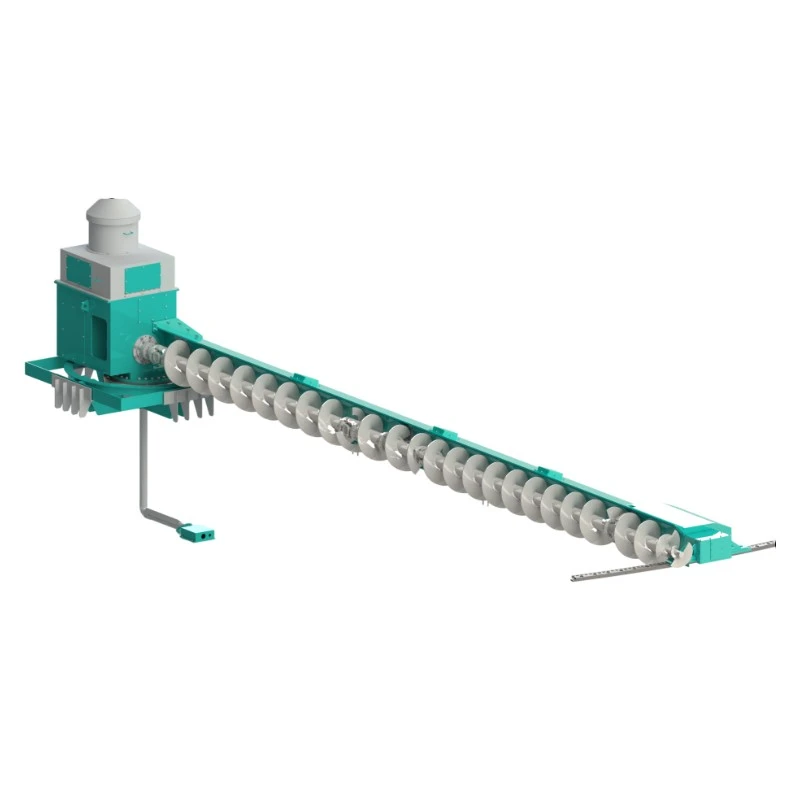
First, let’s get the basics straight: a corn sweep auger is that rotating, pipe-like piece of equipment that glides along the bottom of a grain bin, pushing corn toward a central outlet so you can load it out easily. Skip trying to shovel thousands of bushels by hand—these tools are built to cut down on labor, reduce waste, and make drying or transporting corn way faster. But there are a few key variations, depending on your bin’s design and how you plan to use it.
The first most common type you’ll run into is the standard grain bin sweep auger, made for flat-bottom grain bins. If your operation uses cylindrical bins with a flat concrete or metal floor, this is your go-to. These sweeps have a long, flexible arm that runs along the entire circumference of the bin, with a rotating flight (the twisted metal part that moves grain) that pulls corn toward the center. A lot of small to mid-sized farmers swear by these because they’re affordable and versatile enough to handle corn, wheat, soybeans, and pretty much any small grain. That said, for corn specifically, you might want to make sure the flight spacing is right—corn is a bit larger than some other grains, so tight spacing can cause clogs. If you’re looking for specifics, check out our Grain Bin Sweeps page for more details on how to size these for your bin.
Next up, if you have a cone-bottom silo or bin, you’ll need a sweep auger built for that sloped design. Flat-bottom sweeps can’t handle the steep slope of a cone bottom efficiently—they’ll get stuck, or leave grain stuck in the corners. Cone bottom sweep augers have a curved arm that follows the slope of the bin, and the flight is angled to push grain down toward the central discharge point at the tip of the cone. These are especially popular in larger commercial operations because cone bins empty faster and leave less residual grain (we’re talking like 1-2% left vs. 3-5% with flat bottoms, which adds up over a season). If you’re upgrading a cone bin, or building new, our Sweep Auger for Cone Bottom Silo page has specs and installation tips tailored to that design.
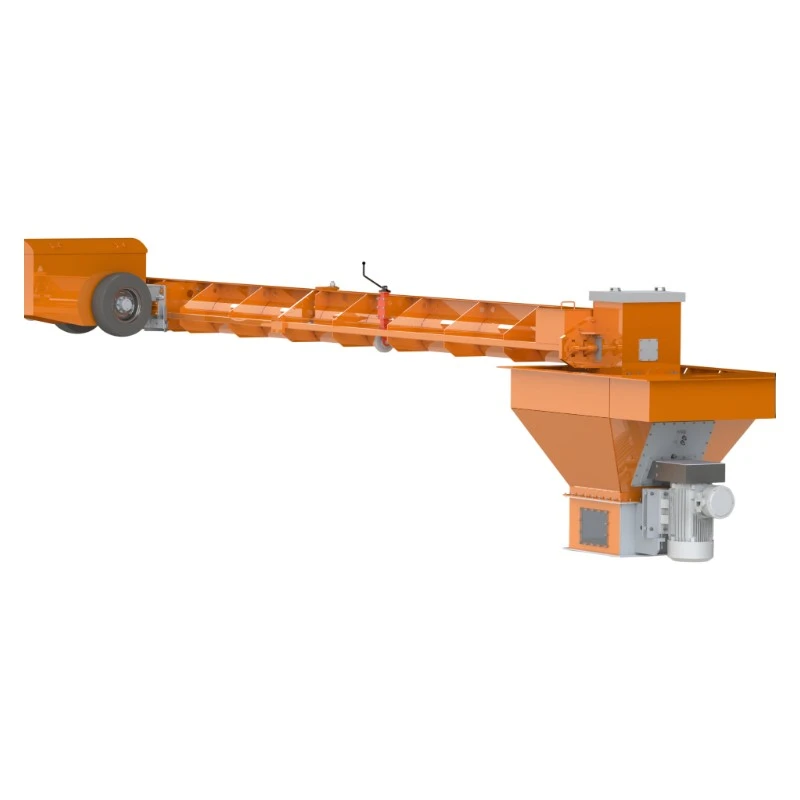
Wait, but what if you’re looking for a tool that’s not just a sweep, but can also unload grain from the top down, or handle heavier loads? That’s where silo unloaders come in, a hybrid type that’s super common in larger grain storage facilities. Silo unloaders combine the rotating sweep arm of a standard auger with a vertical auger that carries grain up and out of the silo. They move around the top of the grain pile, slowly lowering as grain is removed, and work seamlessly for corn because corn’s density means you need a steady, consistent flow to avoid backups. Unlike manual sweeps, silo unloaders are fully automated, so you don’t have to adjust them mid-unload—they do all the work. A lot of our clients who have 10,000+ bushel silos swear by silo unloaders for cutting down on labor costs. If you want to see how these stack up against traditional sweeps, our Silo Unloader page has side-by-side comparisons and customer reviews.
Now, let’s talk about the type that’s specifically built for corn, not just “grain in general” — the corn sweep auger. Wait, hold on, that might sound obvious, but a lot of suppliers make generic grain sweeps that don’t account for corn’s unique properties. Corn is denser than wheat, has a harder outer shell, and tends to clump if it’s too moist. A corn-specific sweep auger has a few key tweaks: the flight is made of thicker, more durable steel to handle corn’s weight, the spacing between flights is wider to prevent corn from getting jammed, and some models have adjustable speed settings so you can slow it down for wet corn and speed it up for dry, mature corn. We get a ton of farmers coming to us saying they used a generic grain sweep for corn and ended up with clogs or bent arms—so if corn is your main grain, don’t cut corners here. Our Corn Sweep Auger page walks you through these specific features and helps you pick the right size for your bin.
Also, it’s worth mentioning the wheat sweep auger, even if corn is your focus, because some farmers rotate crops or store both. Wheat sweeps are built a bit differently: their flight spacing is narrower, since wheat is smaller and flows easier, and the steel is a bit lighter. If you do store wheat alongside corn, mixing up sweeps can save wear and tear on your equipment—so if you’re interested in the small grain side, our Wheat Sweep Auger page has more info.
Wait, a quick note on what matters most when choosing any of these: bin size. A 30-foot bin needs a shorter sweep than a 60-foot bin, right? You also need to think about power—do you have a 110V outlet, or do you need a 3-phase motor? For corn, which is heavier, you’ll want a motor with enough torque to pull it through the bin, especially if you’re unloading 20,000 bushels at a time. I’ve seen farmers try to skimp on motor size and end up burning out augers mid-harvest, which is a total nightmare when you’re trying to get corn dried and stored before rain hits.
Another thing to consider is residual grain left in the bin. Flat-bottom sweeps are great, but they’ll leave a little corn along the edges that you have to shovel by hand. Cone bottom sweeps and silo unloaders leave way less, which saves you money—every bushel of corn left in the bin is money you’re throwing away. For large operations, that difference is thousands of dollars a year.
I’ve been working in this space for years, and the number one mistake I see farmers make is not matching the auger to their bin and grain type. You don’t need the fanciest, most expensive model if you have a small 2,000 bushel flat bin for personal use—a standard grain bin sweep works just fine. But if you run a 50,000 bushel commercial operation, splurging on a corn-specific sweep or silo unloader will pay for itself in a season or two.
If you’re still not sure which type is right for you, or you want to check out models that fit your needs, we’re here to help. We work with all kinds of farmers, from hobbyists to large agribusinesses, and can walk you through sizing, installation tips, and even maintenance to keep your sweep auger working for years. Don’t waste another harvest dealing with clogs, bent arms, or leftover grain—reach out today to chat about your corn sweep auger needs.
References:
- Agricultural Equipment Manufacturers Association. (2022). Grain Storage Handling Best Practices. Retrieved from industry association technical reports
- USDA Agricultural Marketing Service. (2021). Farm Grain Storage and Efficiency Guide. U.S. Department of Agriculture
- Local Farmer Operational Survey, 2020. Regional Ag Extension Office, Midwest U.S.


