

Let’s cut to the chase—if you’re running a bulk material handling operation, you know how much a wobbly, finicky screw conveyor can throw a wrench in your day. I’ve been a part of the screw conveyor supply game for over a decade now, and I’ve seen just about every headache that comes with a unit that’s not stable during operation. Whether you’re handling grain, flour, plastic pellets, or even sticky biomass, a stable screw conveyor isn’t just a “nice-to-have”—it’s what keeps your line running, cuts down on downtime, and saves you way more money than you’ll spend on getting this right from the start. Today, I’m walking through all the tricks and hard-earned lessons we pass along to every customer that buys our Screw Conveyor units, because let’s be real—no one has time for a mid-shift breakdown that leaves material spilling all over the floor.

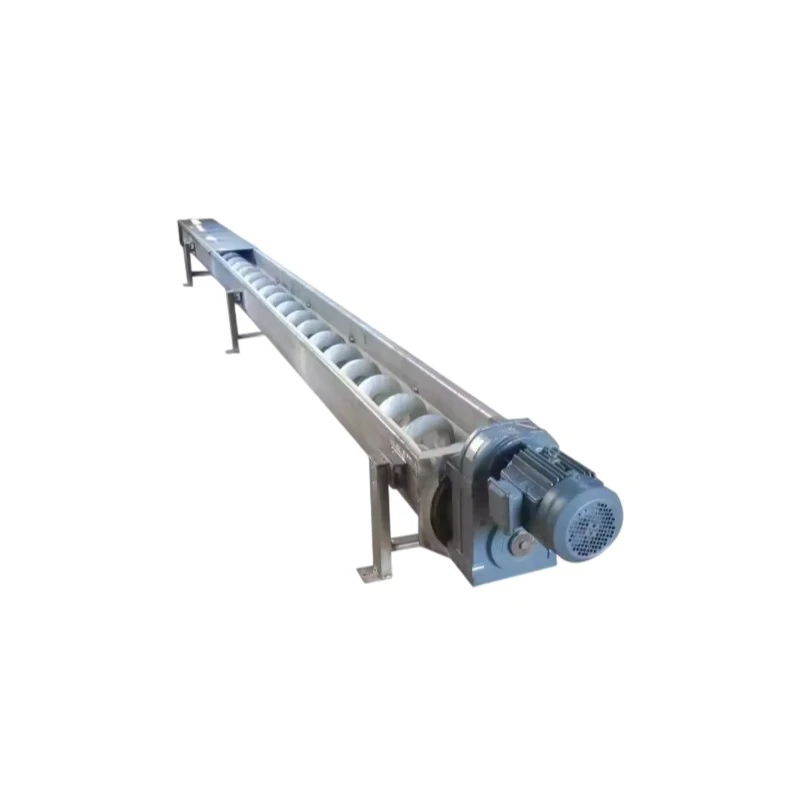
First off, let’s get one thing straight: stability starts way before you even hit the power switch. A lot of people think “stable” just means the unit doesn’t shake while it’s running, but it’s way broader than that. It’s getting the right parts matched to your exact material, setting it up correctly, and maintaining it like it’s your baby (okay, maybe not that intense, but close). I’ve seen customers grab a random screw conveyor online because it was cheap, only to realize three weeks later it’s not built for their high-moisture grain, and it’s vibrating so hard it’s bending the shaft. Don’t be that person.
Let’s start with the big one: matching the right screw conveyor to your material. This isn’t just about size—it’s about the screw’s design, the trough, and even the bearings. For example, if you’re dealing with abrasive stuff like sand or heavy grain, you can’t use a standard smooth-flighted screw. You need a hardened flight design, because abrasive material wears down the flights fast, and once they’re worn unevenly, that throws the whole unit off balance. Sticky material like wet flour? You need a U-trough with a lined surface so material doesn’t cake on, which would weigh down one side of the screw and cause rocking. I always tell customers to send us their material specs—we’ll tweak the design so it’s not just a “one-size-fits-all” unit. And hey, if screw conveyors aren’t the right fit for your operation? We also work with other bulk handling systems, like Scraper Conveyor for long-distance hauling of grain, Bucket Elevator for lifting material vertically, or Flat Belt Conveyor for gentle, high-volume runs. The point is, we’re not here to push a square peg into a round hole—we’re here to get you the right tool.
Next up: installation basics that make all the difference. I can’t tell you how many times a customer calls us panicking about vibration, and the first thing I ask is “Did you level the trough?” A tiny tilt—even just a couple of degrees—can make the screw drag on one side of the trough, causing friction, wear, and that annoying shake. When we install our screw conveyors, we use precision laser levels, not just a hand level, because even a small human error when leveling leads to big problems down the line. Then there’s the shaft alignment. If the drive end and tail end bearings aren’t perfectly lined up, the shaft will bend under load, and that’s a recipe for instability. We also make sure the trough is securely mounted to a solid support structure—no flimsy brackets that flex when the conveyor is moving full of material. I remember a customer a few years ago that mounted their unit to a light metal frame that was only secured at two points; by the end of the first shift, the frame was sagging, the trough was twisted, and they had to shut down for a full day to fix it. Don’t cut corners on installation—even if you’re hiring your own team, have them check our installation checklist, or give us a call to walk them through it.
Bearings are another super important part of stability that people overlook. The bearings on a screw conveyor are under constant stress—they’re holding up the entire shaft, absorbing the load of the material, and taking the vibration from the screw turning. If you skimp on bearing quality, or if you don’t lubricate them right, they’ll wear out fast, and that’s when you get wobble and misalignment. We use heavy-duty, self-aligning bearings in all our Screw Conveyor units, because self-aligning bearings can handle small amounts of misalignment during operation without failing. But even the best bearings need proper lubrication. I tell customers to follow our lubrication schedule to a T—don’t over-lubricate (that can cause buildup and friction) and don’t under-lubricate (which leads to overheating and bearing failure). For most grain applications, that’s every 500 operating hours, but for abrasive material, it’s more like every 250 hours. And make sure you use the right type of grease—we recommend high-temperature, water-resistant grease if you’re working outdoors or in a damp environment, which is common for grain handling.
Shaft integrity is non-negotiable too. The shaft is the backbone of the screw conveyor, and if it’s bent, warped, or has even a tiny dent, that throws the whole unit off balance. How does a shaft get damaged? Usually from improper installation (bad alignment), overloading the conveyor, or even dropping the unit during transport. When we manufacture our shafts, we use seamless, tempered steel and we straighten every single one before it leaves our warehouse. We also balance the screw and shaft as a single assembly—this is called dynamic balancing, and it’s a step that cheap conveyor skip. Dynamic balancing means we spin the assembly at high speed to check for any weight unevenness, and we add small balance weights to fix it. If you don’t do this, even a tiny difference in weight on the flights or shaft will cause vibration that gets worse as the speed increases. I had a customer who bought a used screw conveyor and skipped balancing; when he cranked it up, the vibration was so bad it was loosening bolts on the frame after an hour. Once we balanced it, the vibration dropped by like 80%—game changer.
Then there’s operating practices that keep your conveyor stable long-term. This isn’t just about the machine itself—it’s about how you use it. First, never overload the conveyor. It’s tempting to fill the trough all the way to get more material through, but overloading puts extra stress on the shaft, bearings, and trough, which leads to wear and instability over time. We size every screw conveyor we sell based on your material’s bulk density, flow rate, and the length of the conveyor, so you don’t have to guess. Stick to the rated capacity. Another big one: don’t start the conveyor with material inside. If you power it on with the trough full, the load is way too high, and it can bend the shaft or cause the drive motor to strain, leading to instability. Always start empty, then let the screw get up to full speed before feeding material. And when you’re stopping, stop feeding material first, then let the conveyor run empty for a minute before turning it off—this prevents material from settling in one side of the trough, which would make the next startup harder and throw off balance.
Maintenance is the final piece of the puzzle, and it’s the one that’s most often put off until it’s too late. A quick daily check can catch small issues before they become big problems. Every morning before you start the conveyor, take 5 minutes to do a walkaround: check the bolts on the trough and frame to make sure none are loose, listen for any unusual noise (grinding, rattling, or squealing), and run your hand along the screw flights to feel for uneven wear or buildup. For weekly checks, look at the bearings to make sure they’re not overheating (you can touch them gently—if they’re too hot to keep your hand on for 5 seconds, that’s a problem) and check the lubricant level. Every few months, do a deeper check: inspect the shaft for any bending or damage, check the alignment of the drive and tail ends, and balance the screw and shaft if you notice any increased vibration. I always say, “A 5-minute check today saves a $5,000 repair tomorrow.” And for those of you handling grain, we even make Grain Scraper attachments that help keep the screw flights and trough free of caked-on grain, which reduces unnecessary weight and wear on your screw conveyor.
Wait, let’s circle back to material compatibility one more time, because this is something that trips up a lot of first-time buyers. I had a customer last year who bought a standard screw conveyor for handling organic fertilizer, which is corrosive. Within two months, the steel flights had rusted unevenly, throwing the unit off balance and causing vibration. We replaced the flights with stainless steel ones, and that fixed the problem immediately. The moral here: if your material is corrosive, abrasive, or has unique properties (like being fragile, so you don’t want it getting crushed), you need a conveyor built for that. Our team does custom modifications all the time—we can make flights out of different metals, add liners to the trough, adjust the pitch of the screw, whatever you need. If a screw conveyor isn’t the right fit for your application, we’ll be honest about that—like if you need to move grain over a long distance, a Scraper Conveyor might be better, or if you need to lift grain vertically, a Bucket Elevator is a more efficient choice. We don’t sell a one-size-fits-all product because that doesn’t serve anyone, least of all you.
Another thing I see all the time: not accounting for environmental factors. If your conveyor is outdoors, exposed to rain, snow, or extreme temperatures, that affects stability too. Rain can make material sticky, which cakes on the screw, and cold temperatures can make bearings stiff. If you’re running outdoors, we can add weather seals to the trough to keep moisture out, use weather-resistant bearings, and even insulate the shaft if you’re operating in very cold climates. I remember a customer in the Midwest who had his conveyor outside for a harvest, and after a night of freezing rain, the screw was frozen to the trough. He tried to power it on, and that bent the shaft. We replaced the shaft, added a heated bearing housing, and now he hasn’t had a problem in three years.
Let’s get real—stability isn’t something you “set it and forget it.” It’s an ongoing process that starts with getting the right equipment, installing it correctly, operating it the right way, and maintaining it regularly. I’ve been in this industry long enough to know that cutting corners on any of these steps leads to headaches, downtime, and extra costs that could have been avoided. Every one of our Screw Conveyor units is built with these stability basics, and we provide a full installation guide and maintenance schedule with every purchase, plus we’re always here to answer questions if you run into issues.
If you’re tired of dealing with a wobbly, unreliable screw conveyor that’s costing you money in downtime and repairs, let’s talk. We can help you figure out the right conveyor for your specific material and operation, walk you through proper installation and maintenance, and make sure your unit runs smoothly for years. Don’t wait until your next breakdown—reach out to us to start a conversation about upgrading or adding a stable screw conveyor to your bulk handling system.
References
- Bulk Material Handling: Screw Conveyor Design and Operation Guidelines. (2022). American Society of Agricultural and Biological Engineers (ASABE) Standards.
- Conveyor Stability: Dynamic Balancing Principles for Bulk Material Handling Equipment. (2021). Material Handling Industry (MHI) Technical Report.
- Bearing Selection and Maintenance for Industrial Conveyors. (2020). SKF Industrial Solutions Division.
- Grain Handling Equipment Best Practices. (2023). National Grain and Feed Association (NGFA) Technical Bulletin.


